
In this article we look into the new face of consumer trust and the big effects it can have…
For decades, names like Jaguar Land Rover, Marks & Spencer, and The Co-op have been shorthand for British dependability. They’ve survived world wars, recessions, and fashion shifts, proving to be symbols of resilience and quality.
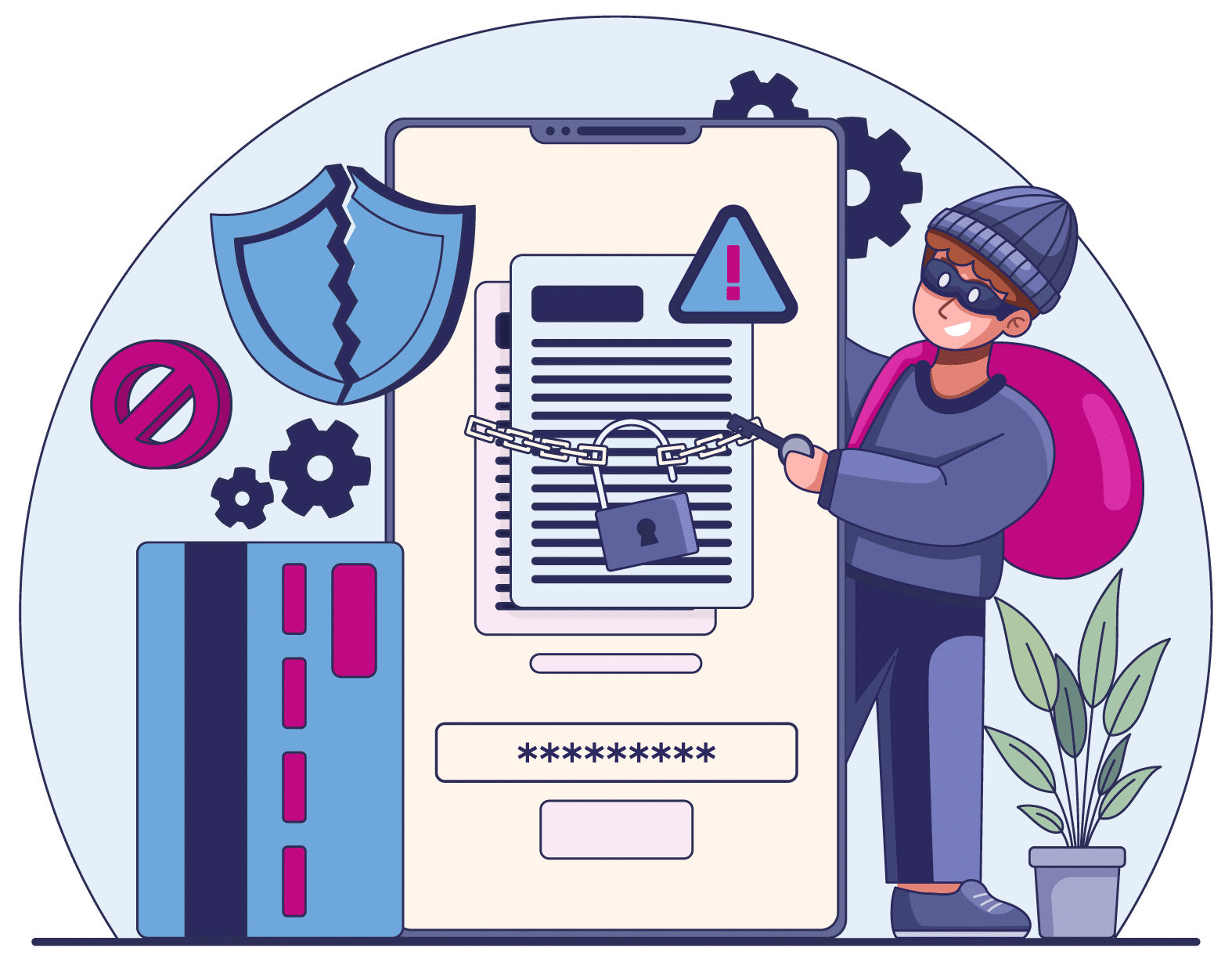
But in 2025, these same iconic companies faced something far less visible and far more invasive: the cyber-attack! Today, “trust” doesn’t just mean good customer service or a solid product. It means protecting your data, your payments, and your operations.
According to UK Government research, cyber-attacks now cost the British economy around £14.7 billion every year, roughly 0.5% of GDP.
These attacks aren’t random. They target exactly what makes modern business tick: data, payments, and digital systems. And for even the most established brands, the cost of complacency is enormous.
The Breaches That Rocked Britain
Marks & Spencer – When the tills went silent
The incident:
In April 2025, M&S (Marks & Spencer) was hit by a sophisticated ransomware attack that took down large parts of its retail network.
Hackers reportedly used social engineering to impersonate an employee through a third-party service desk. They tricked support staff into resetting admin passwords, gaining access to M&S’s Active Directory and deploying DragonForce ransomware across systems.
The fallout:
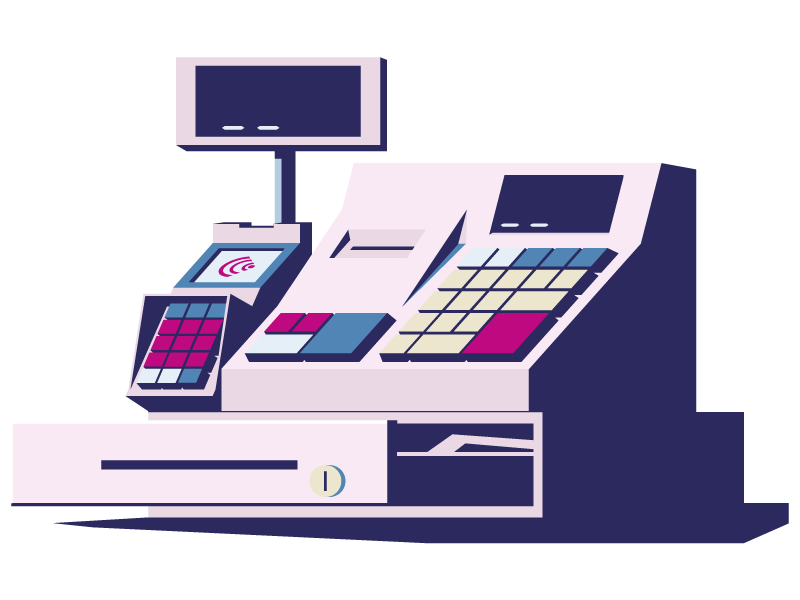
Contactless payments, click-and-collect, and gift-card systems were all frozen. Online orders were suspended for weeks.
M&S estimated £136 million in direct costs (investigation, remediation, and professional fees) and over £300 million in lost sales .
Customer information, names, contact details, and order histories were compromised.
The real damage? Trust and downtime. In retail, every minute of payment disruption is a minute of non-sales and lost loyalty.
With the average UK data breach now costing £3.29 million, M&S’s experience underscores that the operational and reputational price is steep.
Lesson: compliance isn’t just about protecting data, it’s about protecting the ability to do business.
The Co-op – When member data became hacker currency
The incident:
Just weeks later, the Co-op revealed it had suffered a major cyber breach.
Attackers accessed one of its membership databases, copying the personal data of around 6.5 million members, including names, contact details, and membership IDs.
The fallout:
The attack had wide-reaching consequences.
Customers reported receiving phishing emails and scams within days. Operationally, deliveries were disrupted, logistics systems slowed, and several Scottish stores temporarily struggled to restock shelves.
Financially, the Co-op reported an £80 million hit to operating profit and £206 million in lost revenue in the aftermath.
The bigger picture:
Over 52% of UK businesses have experienced at least one cyber-attack in the past five years, costing around £44 billion in lost revenue.
Even “non-financial” data such as names, phone numbers, loyalty details, can be exploited by criminals. It’s a clear warning that GDPR obligations are as vital to brand protection as PCI DSS compliance.
Lesson: Secure your customer’s information to current standards, on an ongoing basis, against even changing threats.
Jaguar Land Rover – When production hit the brakes
The incident:
In late August 2025, a ransomware attack on Jaguar Land Rover brought UK car production to a standstill.
The breach reportedly originated through a compromised supplier credential, a reminder that third-party access can be a Trojan horse.

The fallout:
Production halted for weeks across key sites. More than 5,000 suppliers were affected, and roughly 30,000 vehicles went undelivered.
The estimated total cost to the UK economy? A staggering £1.9 billion.
While JLR reported “no evidence customer data was stolen,” the operational impact was catastrophic. Proving that in today’s hyper-connected economy, availability is as crucial as confidentiality.
Lesson: in the age of digital supply chains, a single weak link can stall an entire industry.

The Common Thread, Where Heritage Meets Modern Risk
A New Kind of Vulnerability
What ties the stories of Marks and Spencer, The Co-op and Jaguar Land Rover together is not coincidence, it is a shared vulnerability that now touches every sector from manufacturing to microbusiness.
Each of these trusted UK institutions built their name on reliability and service, but in 2025 trust is no longer earned only through craftsmanship or customer care, it is earned through compliance, security and digital resilience.
The Illusion of Safety
There is a dangerous comfort in believing a business is too big to fail or too small to be targeted. The truth is that attackers do not care who you are, they only care whether your defences are weaker than someone else’s.
Marks and Spencer did not fall because their tech was outdated, they fell because someone reset the wrong password. The Co-op was not targeted because of its size, it was targeted because its member data was accessible. Jaguar Land Rover did not lose customer details, it lost precious time, which in business can be even more damaging.
Most cyber-attacks do not begin with a dramatic breach, they begin with a fake email, a lazy password or a supplier who has not patched their software. It is that simple and that human!
Why It Matters to Every Business
If heritage brands with multimillion-pound security budgets can be breached, what about the average online retailer, gym, café or charity. Cybersecurity is not just a big business problem. Every organisation that takes card payments, stores emails or sells online is part of the same digital ecosystem.
Attackers no longer pick targets one by one, they automate. A small café processing a few hundred card transactions per week is as appealing as a major retailer, because the goal is not prestige, it is access.
And when that café’s payment system goes down, its reputation goes down with it. In the end, a breach is just a broken promise, and promises are what businesses are built on.
Trust has gone digital. It is now measurable, auditable and often very expensive to lose. This is why PCI DSS and GDPR are not red tape, they are reassurance. They tell customers, we are not just taking your money, we are taking care of you.
PCI DSS, GDPR & the Price of Non-Compliance
Trust has gone digital. It is now measurable, auditable and often very expensive to lose. This is why PCI DSS and GDPR are not red tape, they are reassurance. They tell customers, we are not just taking your money, we are taking care of it.
PCI DSS – The Bodyguard for Payments
Any business that stores, processes, or transmits cardholder data falls under PCI DSS.
Fail to comply, and you could face fines of £4,000–£80,000 per month, plus potential loss of processing privileges.
By contrast, compliance costs are modest:
- Small merchants: £500–£4,000 per year
- Large retailers: £20,000–£75,000+ for audits and ongoing testing
It’s the textbook case of prevention being cheaper than cure.

GDPR – The Human Shield for Data
When personal data, even basic membership info is mishandled, GDPR applies.
The potential fine: up to £17 million or 4% of global turnover, whichever is greater.
But the greater penalty is loss of trust.
In all three cases, customers didn’t just lose confidence in systems; they lost confidence in the brand promise itself.
The PayGuard Perspective
For startups, scaleups, and established businesses alike, these stories make one truth impossible to ignore. Payment security is brand security. Trust is no longer built through smiling customer service or perfect packaging, it’s built through compliance, resilience, and transparency.
PCI DSS and GDPR aren’t red tape. They’re the framework for surviving in an economy where your till, website, and cloud all speak to each other and where attackers are fluent in every language.
In a digital Britain, compliance isn’t bureaucracy. It’s an essential part of a brands backbone.

Final Thought
Jaguar Land Rover, Marks & Spencer, and The Co-op each spent decades perfecting their craft, luxury cars, quality goods, community retail. But in 2025, they were tested on something entirely new: how well they could protect trust in the digital age.
If trust built these brands, compliance will define their future.
Because in today’s Britain, one of the most valuable assets in any business you can sell isn’t luxury or convenience, it’s confidence.
Ready to turn compliance into confidence?
Talk to PayGuard about PCI DSS and payment security, because trust isn’t just built, it’s protected.
